messy middle
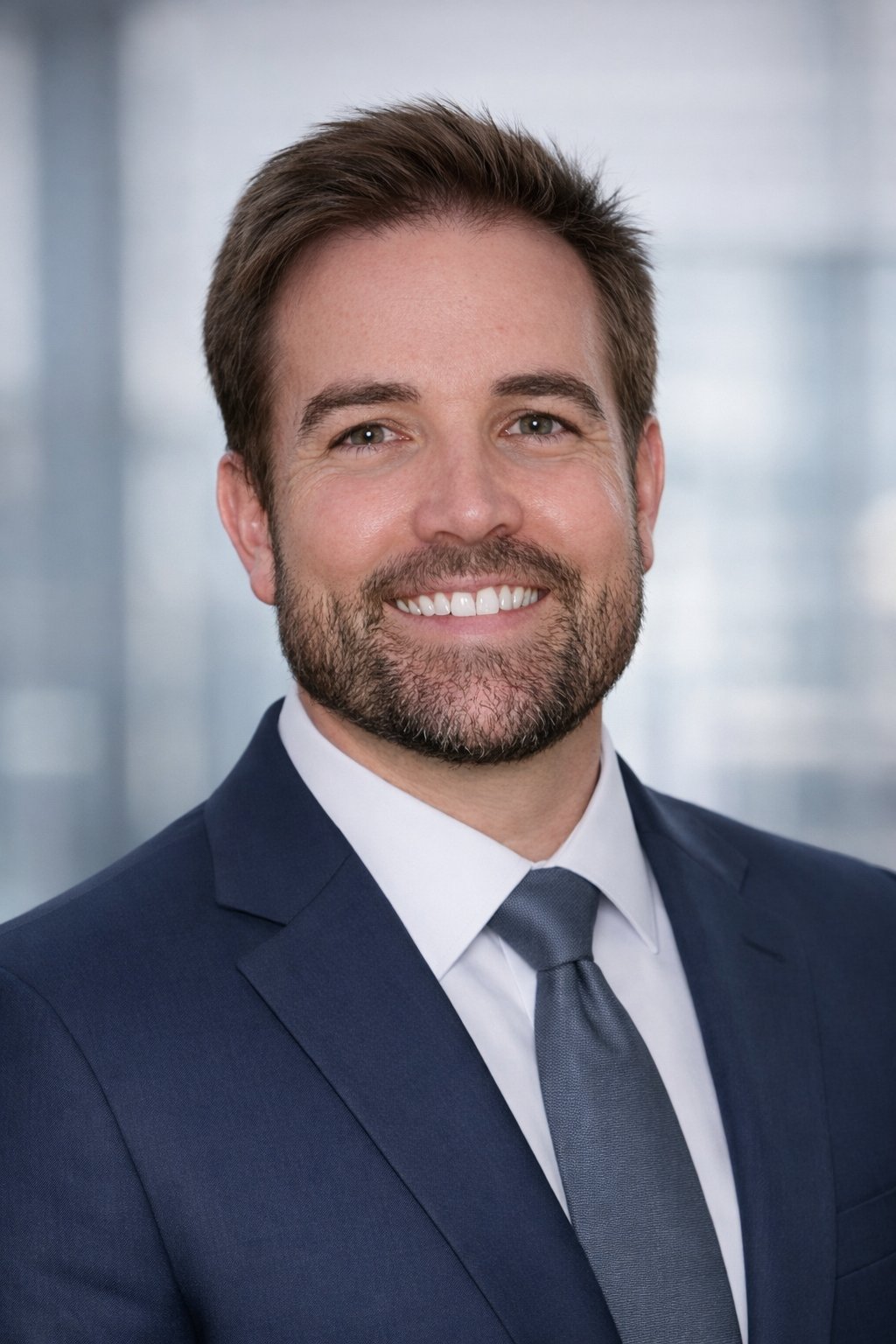
I'm a strategic operations leader with 14 years operating at the intersection of product, engineering, and go-to-market — across ad tech, security and compliance SaaS, data infrastructure, and AI-native voice systems.
My work lives one level above delivery and one level below strategy: translating complex goals into operating models, planning systems, and cross-functional rhythms that hold up under pressure and scale with the org.
I've built and rebuilt operating systems inside some of the most demanding environments in tech — joining Peloton pre-IPO and operating through hypergrowth, building compliance infrastructure at Drata during its scale-up, driving verification platform programs at DoubleVerify, and most recently designing AI-native voice infrastructure at Hatch.
More recently I've focused on one question: how do AI-native workflows change what operations looks like? Not AI as a feature, but AI as the backbone of how an org plans, decides, and executes. That's what the tools on this site are built around.
At Hatch, that question got a concrete answer: when a client issue turned out to trace back to shared platform infrastructure rather than one account's configuration, I designed a backward-compatible fix that protected every other live client and escalated it as a formal product enhancement — the kind of judgment call that sits above individual implementation work.
I'm looking for roles where I can own the operating model — not manage the execution layer, not chase teams for updates, but design and run the system that makes excellent product and operational work possible.